

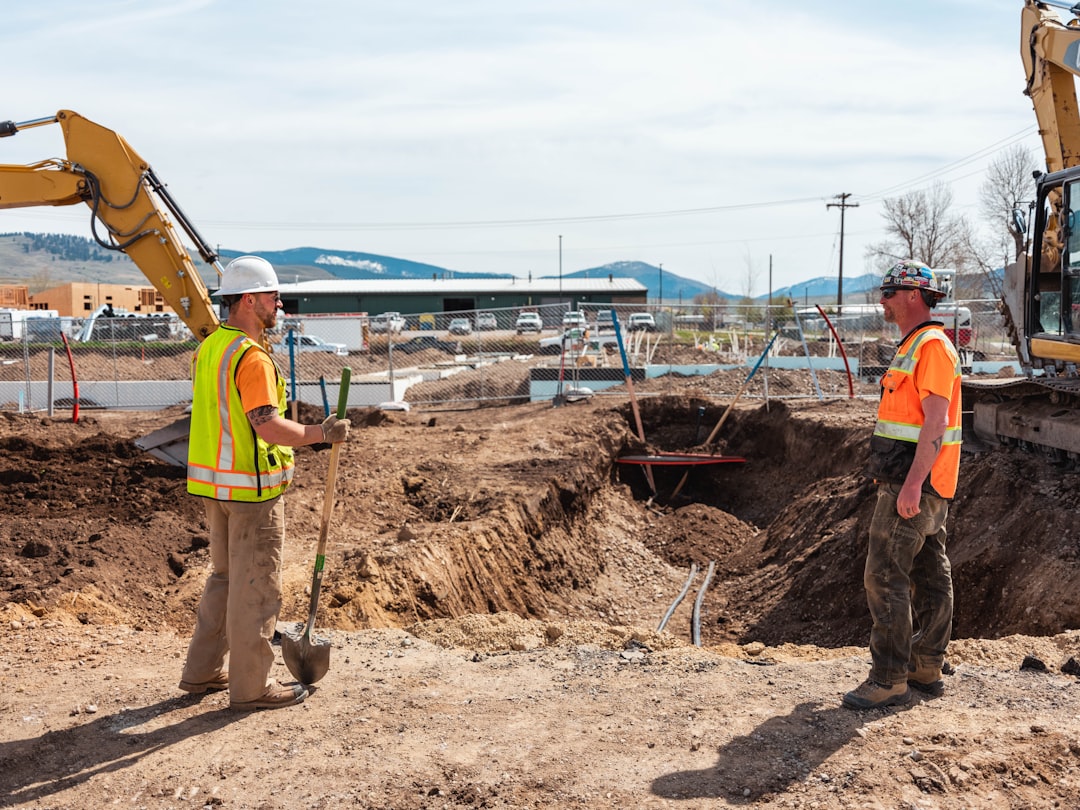
When a homeowner hears "sewer line replacement," the first thing they picture is weeks of their yard torn apart, heavy equipment blocking the driveway, and life on hold. It is one of the most common concerns we hear. The reality is that most residential sewer line replacements in Greater Victoria are completed far faster than people expect.
That said, the timeline is not identical for every home. Depth, length, surface type, weather, and permit scheduling all play a role. In this guide, we will walk you through what a typical sewer replacement timeline looks like in Victoria — from initial assessment to the day we leave your property — and explain what factors can push the timeline in either direction.
If you already know you need a sewer assessment, call our team at (778) 265-6446 or request an appointment.
Typical Sewer Line Replacement Timeline
Here is what each stage looks like for a standard residential sewer replacement in Victoria BC:
For a typical residential sewer replacement in Victoria, active on-site work usually takes 1 to 3 days. The overall timeline from assessment to completion — including permit processing and inspection scheduling — is usually 1 to 2 weeks.
Factors That Affect How Long It Takes
Several variables can push the timeline shorter or longer:
Length of the sewer line
A short run from the house to the property line is a different scope than a long line that crosses a deep lot. More length means more excavation, more pipe, and more time.
Depth and accessibility
Sewer lines in Greater Victoria typically sit between 3 and 6 feet deep. Deeper lines require more excavation and may need shoring for safety. Lines running under decks, patios, or close to the foundation also require more careful work.
Surface type above the line
Digging through a lawn is straightforward. Removing concrete, pavers, or a driveway section to access the line below adds time to both excavation and restoration.
Weather conditions
Victoria's wet season can affect excavation work. Heavy rain may require dewatering the trench or pausing work temporarily. Summer projects tend to move faster, but sewer replacements are completed year-round in Greater Victoria.
Permit and inspection scheduling
The time between permit approval and inspection availability varies by municipality. In busy periods, inspector scheduling can add a day or two to the overall timeline — though it does not add active work time.
What Happens to Your Landscaping?
This is one of the biggest concerns homeowners have — and it is a fair one. Sewer line replacement requires a trench, and that trench has to go somewhere. Here is what to expect:
- Lawn areas — the trench path is excavated and the sod or topsoil is set aside where possible. After backfill and compaction, the area is graded and either seeded or re-sodded. Expect the restored area to take a growing season to fully blend in.
- Garden beds and shrubs — plants in the trench path are removed. We do our best to work around established landscaping, but anything directly above the line will need to come out. Replanting is typically the homeowner's responsibility.
- Hardscaping — concrete, pavers, or retaining walls in the trench path need to be removed and replaced. Restoration of hardscaping is discussed during the assessment so the scope is clear before work begins.
We will walk you through exactly what will be affected during the assessment. No surprises on excavation day.
Can You Stay Home During Sewer Replacement?
Yes — in most cases, you can stay in your home during sewer line replacement. The work is exterior, and your indoor plumbing continues to function normally for most of the project.
There will be a short period — usually a few hours — when the old line is disconnected and the new line is being connected where you will not be able to use drains or flush toilets. Your plumber will let you know when this window is coming so you can plan around it.
Equipment noise and excavation activity will be present during working hours, but you will not need to vacate your home.
What If the Sewer Line Runs Under a Driveway or Concrete?
In some Victoria properties, part or all of the sewer line runs under a concrete driveway, patio, or walkway. This does not make replacement impossible — it just adds steps to the process.
Concrete sections above the line need to be saw-cut and removed to access the pipe below. After replacement and inspection, the concrete is repoured. This adds time to the project — typically an extra day — and the scope of concrete work is outlined in your quote before the project begins.
A sewer camera inspection before the project begins helps us map the exact line path so we can plan the most efficient excavation route — minimizing the amount of concrete or hardscaping that needs to be disturbed.
"We did a sewer replacement in Saanich last year where the homeowners had been putting it off because they assumed it would take a full week and tear up their entire yard. We completed the job in two days — excavation, pipe replacement, inspection, backfill, and rough grading all done by the end of day two.
They were genuinely surprised. The trench was about 30 feet long and we were able to work around most of their established garden. By the following spring, you could not even tell where the trench had been. That is a pretty typical experience for a straightforward residential sewer replacement in Victoria — it is a big job, but it does not have to take over your life."
Frequently Asked Questions
Ready to Get Your Sewer Line Assessed?
Our licensed plumbers will inspect your sewer line, explain exactly what is involved, and give you an honest timeline and quote. No pressure, no surprises.
0% financing available through Financeit · Serving Victoria, Langford, Saanich, Oak Bay & all of Greater Victoria