

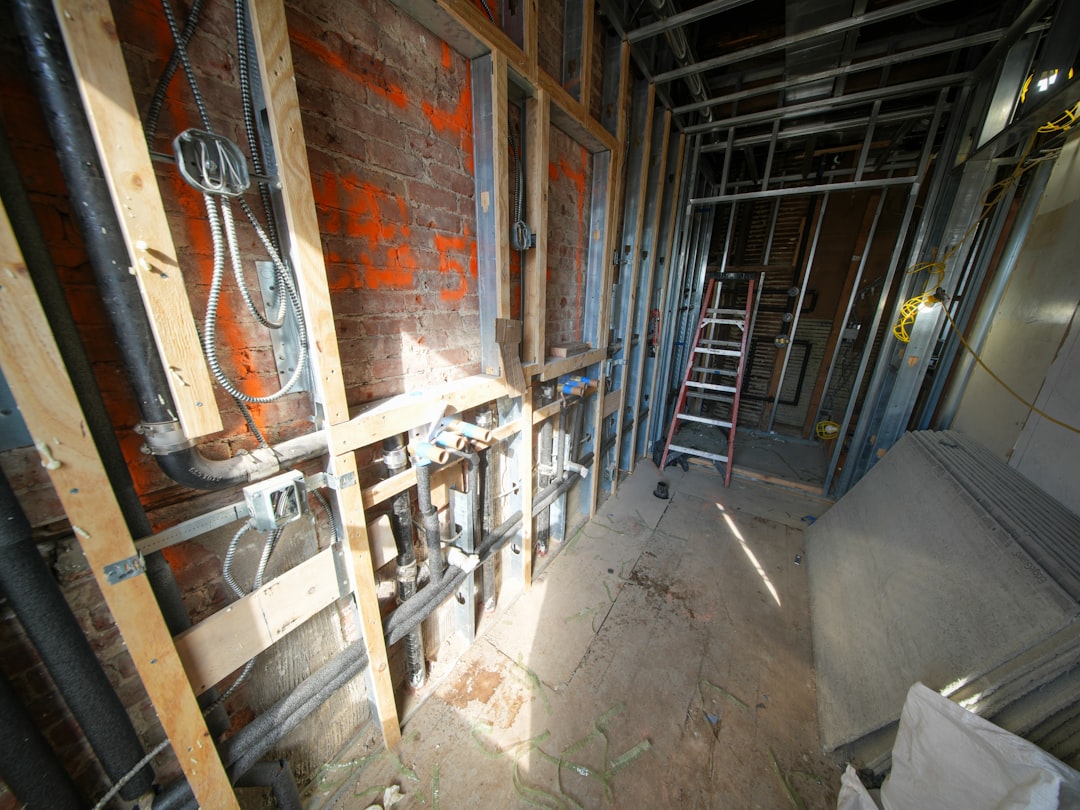
Whole home repiping is a significant job. There's no way around that. It means replacing every supply line running through your walls, floors, and ceilings with new pipe. It takes a few days, it requires access holes, and it's a real investment. But for the right home, it's also the most permanent solution — the kind of fix where you do it once and never think about your plumbing again.
The question most Victoria homeowners ask us isn't how repiping works — it's whether their home actually needs it, or whether they're better off with a more targeted repair. That's what this guide is here to help you figure out.
If you'd like an honest assessment of your specific situation, our team at The Smell Good Plumbers offers repiping consultations across Greater Victoria.
When Repiping Makes Clear Sense
There are certain situations where full repiping is clearly the right call. If any of these describe your home, a whole home repipe is likely worth serious consideration:
- Poly B throughout the home — if your home was built between 1978 and 1995 and still has polybutylene pipe, the entire system is aging out at the same rate. Patching one section while the rest continues to degrade is a losing strategy. Full Poly B replacement is the permanent fix.
- Galvanized steel with severe corrosion — galvanized pipe corrodes from the inside, restricting flow and eventually leaking at joints. If you're seeing rust-coloured water, low pressure at multiple fixtures, or visible corrosion on exposed pipe, the whole system is likely compromised.
- Multiple recurring leaks — if you've had two or more leaks in different areas of your home within a short period, the pipe material itself is failing. Fixing one leak at a time becomes more expensive than addressing the whole system.
- Buying an older home — if you're purchasing a home built before the mid-1990s, repiping upfront gives you peace of mind, avoids emergency situations after you move in, and can be factored into your purchase negotiations.
In these cases, the cost of continued spot repairs — plus the risk of water damage — almost always exceeds the investment in a proper repipe over time.
When It Might Be Overkill
Repiping isn't always the answer, and a good plumber should tell you that. Here are situations where a full repipe may not be necessary:
- Newer home with modern pipe — if your home was built after the mid-1990s with PEX or copper, and you're dealing with a single issue, there's no reason to replace the entire system
- Isolated problem — a single leak caused by a faulty fitting, mechanical damage, or a localized freeze doesn't mean the rest of your plumbing is in trouble. A targeted repair is the right move.
- Copper in good condition — copper pipe in Victoria homes can last 50 years or more when it's in good shape. If your copper is performing well with no signs of pinhole leaks or green corrosion at joints, leave it alone.
We'll never recommend a full repipe when a repair will do the job. The goal is to give you the most honest assessment, not the biggest invoice.
Spot Repair vs Phased Replacement Alternative
If a full repipe feels like too much right now but you know your pipe is aging, there's a middle ground: phased replacement. This means replacing the most critical or deteriorated sections first and scheduling the rest over time.
Phased replacement works best when your plumber maps the entire system upfront and prioritizes sections based on condition, accessibility, and risk. It lets you spread the investment out while still making real progress toward a fully modern system.
Spot repair, on the other hand, is reactive — you fix what breaks and hope the rest holds. For truly aging pipe systems like Poly B or corroded galvanized, spot repair tends to become a cycle. You fix one section, and another fails a few months later.
The key question to ask your plumber: "Given the condition of the rest of the pipe, how confident are you that this repair will hold for the next five years?" An honest answer to that question tells you a lot about whether full or phased repiping makes sense.
What Repiping Actually Improves
Homeowners who go through with repiping consistently report improvements they didn't fully expect going in:
Water quality
Old galvanized and deteriorating Poly B can affect the taste, colour, and clarity of your water. New PEX pipe delivers clean water from day one — no more rust particles, no more discolouration at the tap.
Water pressure
Corroded galvanized pipe gradually restricts flow as mineral buildup narrows the interior diameter. Replacing it with modern PEX restores full pressure to every fixture in the home — a difference most homeowners notice immediately.
Peace of mind
No more worrying about surprise leaks, water damage, or coming home to a flooded basement. A full repipe eliminates the uncertainty that comes with aging pipe and lets you stop thinking about your plumbing entirely.
Insurance and premiums
Many BC insurers are increasing premiums or restricting coverage on homes with Poly B or aging galvanized. A certificate of completion from a licensed plumber showing new PEX throughout your home can help reduce your premiums and keep your coverage intact.
Resale value
New plumbing is a strong selling point in Victoria's real estate market. Buyers and home inspectors will flag aging pipe systems, and it often becomes a negotiating point. A fully repiped home removes that concern and can make your listing stand out.
What Pipe Is Used and Why
For whole home repiping in Victoria, PEX-A (cross-linked polyethylene) is the material of choice for nearly every application. There are good reasons it's become the industry standard:
- Flexibility — PEX-A bends around corners and through tight spaces, which means fewer fittings and fewer potential leak points inside your walls
- Freeze resistance — PEX can expand slightly without cracking, making it far more forgiving in Victoria's occasional cold snaps than rigid pipe materials
- Longevity — PEX-A is rated for decades of reliable service and is unaffected by the chlorine in municipal water that degrades Poly B
- Quiet operation — PEX dampens water hammer and pipe noise better than copper, resulting in a quieter plumbing system
- Cost-effective — PEX material and labour costs are lower than copper, which means a better result for your investment
Copper is still used in certain applications — such as exposed runs or specific code requirements — but for the majority of residential repiping work in Victoria, PEX-A delivers the best combination of performance, durability, and value.
How to Make the Decision
If you're on the fence about repiping, here's how to move toward a clear decision:
- Get an on-site assessment — a licensed plumber needs to see your home, identify what pipe material you have, check its condition, and map the runs. No phone or online quote can replace this.
- Ask about the rest of the pipe — if you're calling about one leak, ask your plumber to assess the overall system while they're there. A good plumber will tell you whether the leak is isolated or a sign of broader deterioration.
- Consider the full picture — factor in insurance implications, resale plans, your comfort level with ongoing leak risk, and whether you want to deal with plumbing problems again in a year or two.
- Ask about financing — if the investment is the main barrier, ask about payment options. We offer 0% financing through Financeit so you can get the work done now and spread the cost over time.
The most important thing is to base the decision on a professional assessment of your specific home — not on general advice from the internet. Every home is different, and the right answer depends on what's actually in your walls.
"I had a homeowner in Saanich who patched the same galvanized pipe four times in two years. Every time we fixed one section, another joint would start weeping a few months later. The pipe was corroded throughout — each repair was just buying a little more time before the next call.
After the fourth repair, we sat down and looked at the numbers together. Between the emergency calls, the water damage cleanup, and the patching — he'd already spent a significant amount and still had the same aging system. We repiped the whole home with PEX-A, and he hasn't called us about a leak since. That's the outcome we want for every homeowner."
Frequently Asked Questions
Book a Repiping Assessment
Not sure if your Victoria home needs a full repipe? Our licensed plumbers will assess your system, give you a straight answer, and provide a clear written quote — no pressure, no surprises.
0% financing available through Financeit · Serving Victoria, Langford, Saanich, Oak Bay & all of Greater Victoria