

Victoria's wet winters are part of what makes the Island so green — but all that rainfall creates a serious challenge for homeowners. Your perimeter drain is the first line of defence between groundwater and your foundation. When it fails, the damage can be extensive, disruptive, and expensive to repair.
Most homeowners don't think about their perimeter drain until water appears where it shouldn't — in the basement, along the foundation walls, or pooling around the base of the house. By that point, the drain has likely been underperforming for years.
In this guide, we'll explain what perimeter drains do, how to spot the warning signs of failure, and what replacement actually involves — so you can make an informed decision before water damage forces your hand.
What Is a Perimeter Drain?
A perimeter drain — also called a French drain or weeping tile — is a buried drainage system that runs around the outside perimeter of your home's foundation. Its job is simple but critical: collect groundwater before it reaches your foundation walls and redirect it to the storm drain or a safe discharge point away from the house.
The system typically consists of a perforated pipe laid in a gravel bed at the base of the foundation footing. As the water table rises during heavy rain, water seeps through the gravel and into the pipe rather than pressing against your foundation walls. The pipe then carries the water away by gravity.
Every home in Greater Victoria should have a functioning perimeter drain. Without one — or with one that has failed — hydrostatic pressure builds against the foundation, forcing moisture through cracks, joints, and porous concrete. Over time, this leads to serious structural and environmental problems inside the home.
Signs Your Perimeter Drain Is Failing
A failing perimeter drain rarely announces itself all at once. The signs tend to build gradually, and many homeowners live with early symptoms for years without realizing the cause. Here's what to watch for:
- Water in the basement or crawlspace after rainfall — the clearest indicator that groundwater is no longer being redirected away from the foundation
- White chalky deposits (efflorescence) on foundation walls — mineral residue left behind when moisture seeps through concrete and evaporates
- Persistent mold or musty smell in lower levels — excess moisture trapped against the foundation creates ideal conditions for mold growth
- New or widening cracks in the foundation — hydrostatic pressure from water buildup can cause structural movement over time
- Soggy or perpetually wet soil near the foundation — water that should be draining away is instead sitting against the house
If you're noticing any of these signs — especially during or shortly after heavy rain — it's worth having your perimeter drain assessed before the problem escalates. Call us at (778) 265-6446 to schedule an inspection.
Why Perimeter Drains Fail in Victoria
Victoria's climate and soil conditions create a particularly challenging environment for perimeter drains. Several factors contribute to their failure:
Age
Many Victoria homes still have their original perimeter drains from the 1960s, 70s, or 80s. Even well-installed systems have a finite lifespan, and decades of continuous water flow, soil pressure, and ground movement take their toll.
Root intrusion
Tree and shrub roots are drawn to the moisture inside drain pipes. They enter through joints and perforations, gradually filling the pipe with a root mass that blocks water flow entirely. This is one of the most common causes of perimeter drain failure in Victoria's tree-lined neighbourhoods.
Collapsed or separated pipe sections
Soil settlement, seismic activity, and the weight of soil and structures above can cause drain pipe to crack, collapse, or separate at joints. Once this happens, the system can no longer carry water away effectively.
Clay soil
Much of Greater Victoria sits on heavy clay soil that drains very poorly. Clay holds water against the foundation rather than allowing it to percolate away, which puts even more demand on the perimeter drain system and accelerates sediment buildup inside the pipe.
Original clay tile pipe
Older Victoria homes were typically built with clay tile or concrete drain tile — short, rigid pipe segments laid end to end with no sealed joints. Over time these pipes shift, crack, and fill with soil. They were standard practice for decades, but they simply don't hold up the way modern perforated PVC does.
What Perimeter Drain Replacement Involves
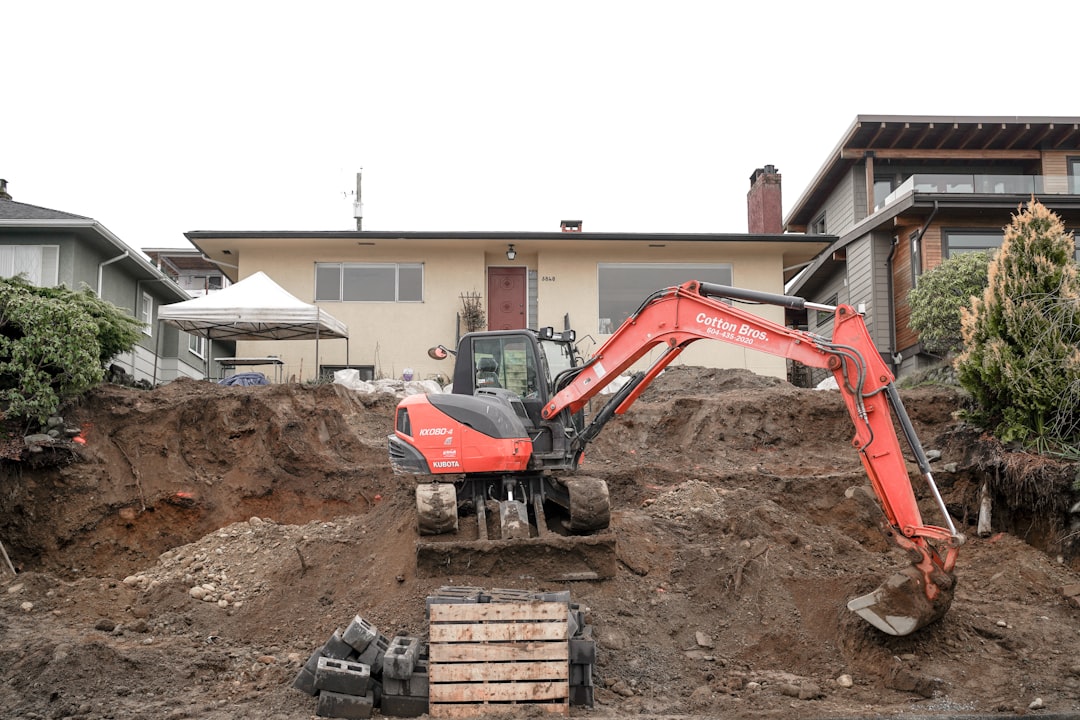
Perimeter drain replacement is a significant project, but it's one our team handles regularly across Greater Victoria. Here's what to expect:
Learn more about our approach on our perimeter drain services page, or call (778) 265-6446 to book a site visit.
How Long Does Perimeter Drain Replacement Take?
Most perimeter drain replacements in Victoria take between 3 and 7 days, depending on the size of the home, accessibility around the foundation, and soil conditions. A smaller single-storey home with good access on all sides may take as little as 3 days. Larger homes, those built on slopes, or properties with limited access around the foundation can take a full week or slightly longer.
Weather can also be a factor during Victoria's rainy season. Excavation work is more difficult in saturated soil, and heavy rain may pause work temporarily. For this reason, many homeowners schedule perimeter drain replacement during the drier months — though we handle these projects year-round.
Our team will give you a clear timeline before work begins so you can plan accordingly. We keep you informed throughout the project if anything changes.
"One of the most rewarding jobs we ever did was for a family in Saanich whose basement flooded every single winter. They'd tried everything — sealants, sump pumps, dehumidifiers — and every November the water came back. When we excavated around the foundation, we found the original clay tile drain had completely collapsed. Roots had filled what was left of the pipe, and the gravel bed was packed solid with clay.
We replaced the entire perimeter drain, applied a waterproofing membrane, and backfilled with proper drainage gravel. That was three winters ago — and they haven't had a drop of water in the basement since. They told us it changed the way they use their home. That's the kind of result that makes this work worth doing."
Frequently Asked Questions
Book a Perimeter Drain Assessment
Not sure if your perimeter drain needs replacing? Our team will inspect your system, explain what we find, and give you a clear recommendation — no pressure, no surprises.
0% financing available through Financeit · Serving Victoria, Langford, Saanich, Oak Bay & all of Greater Victoria