

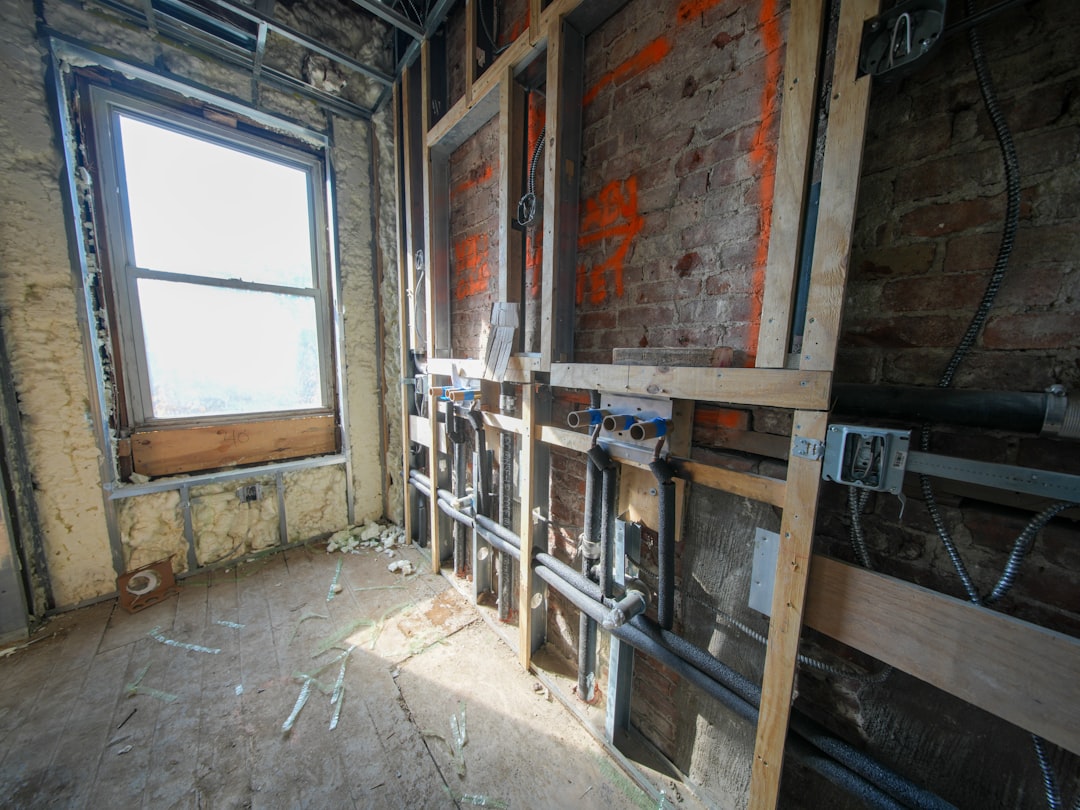
Poly B replacement is never a one-size-fits-all project — but in older Victoria homes, the variables multiply. A character home in Oak Bay built in 1928 and renovated in 1988 is a fundamentally different job than a standard-layout rancher from the same era. The pipe material is the same grey polybutylene, but everything around it — the walls, the layout, the other materials — changes the conversation entirely.
Greater Victoria has one of the highest concentrations of older homes in British Columbia. From Edwardian-era houses in James Bay to mid-century bungalows in Esquimalt and post-war ranchers across Saanich, many of these homes had Poly B installed during renovations in the 1980s and early 1990s. That means the Poly B is often layered on top of — or spliced into — older plumbing systems that were already decades old at the time.
If your older home has Poly B, here is what to expect from the assessment and replacement process — and why working with a plumber who understands older construction matters.
Why Older Homes Present Unique Challenges
In a home built entirely during the Poly B era, the pipe layout is usually consistent and predictable. The builder ran Poly B from the water entry to every fixture, and the pipe paths follow the original framing. Straightforward.
Older homes are different. Here is what we commonly encounter:
- Multiple pipe eras in one home — galvanized steel from the original build, copper added during a kitchen renovation, Poly B run through a bathroom remodel, and perhaps even some CPVC in a later repair. Each material has its own fittings, connections, and failure points.
- Finished walls and plaster — many older Victoria homes have lath-and-plaster walls rather than drywall. Plaster is harder to cut cleanly and more difficult to patch invisibly, so access planning becomes critical.
- Complex and non-standard layouts — additions, converted attics, in-law suites added over the decades, and plumbing that has been rerouted multiple times. The pipe does not always follow a logical path.
- Asbestos-containing materials — homes built or renovated before 1990 may have asbestos in insulation, flooring, or pipe wrap. This does not stop the project, but it requires identification and proper handling before plumbing work proceeds in those areas.
- Stucco and exterior considerations — some older homes have stucco exteriors that make exterior pipe access more complicated and costly to restore.
None of these challenges are deal-breakers. They simply mean that a thorough assessment and a well-planned access strategy are even more important than they would be in a newer, standard-layout home.
What to Expect During Assessment of an Older Home
When our team assesses an older Victoria home for Poly B replacement, we spend more time on-site than we would in a standard-layout home — and for good reason. We need to understand the full picture before quoting.
During the assessment, we will:
- Identify every pipe material present in the home — not just the Poly B
- Map existing pipe runs through the basement, crawlspace, mechanical room, and visible access points
- Check for asbestos indicators in areas where we will need access
- Evaluate wall types — drywall versus plaster — and plan access accordingly
- Note any previous renovations that may have altered the original plumbing layout
- Identify opportunities to use existing access points like utility chases, dropped ceilings, and unfinished spaces
The goal is a clear, complete scope of work and a written quote that accounts for the realities of your specific home — not a generic estimate based on square footage alone.
How Access Strategy Affects the Scope
In older homes, how we get to the pipe matters just as much as what we replace it with. A thoughtful access strategy can mean the difference between a project that respects the character of your home and one that leaves you with unnecessary patching and restoration work.
Here is how we approach it:
- Working with the home's character — we route new PEX through existing pathways wherever possible, using basements, crawlspaces, joist bays, and utility chases to minimize cuts in finished rooms.
- Minimizing cuts in plaster walls — where access holes are necessary, we place them in discreet locations and keep them as small as possible. In plaster walls, careful cutting reduces the risk of cracking the surrounding surface.
- Using existing access points — dropped ceilings, unfinished storage areas, mechanical rooms, and the backs of closets all provide access without impacting the main living spaces.
Every older home is unique, and the access plan is tailored to yours. We walk you through exactly where we will need to open walls — and where we will not — before any work begins.
Mixed Pipe Situations — When Only Some Is Poly B
One of the most common scenarios we encounter in older Victoria homes is a mixed-material plumbing system. The original copper or galvanized steel is still in place in parts of the home, while Poly B was added during a later renovation — often a bathroom or kitchen remodel in the late 1980s.
In these situations, the question becomes: do you replace only the Poly B, or take the opportunity to address the entire system?
The answer depends on the condition of the existing non-Poly B pipe. Copper in good condition can remain in place and be connected to the new PEX with proper transition fittings. Galvanized steel, on the other hand, is often corroded and restricted by this point — and leaving it in place may mean another project in the near future.
We will give you an honest recommendation based on what we find. Sometimes a targeted Poly B replacement is the right call. Other times, a whole home repipe makes more sense — especially if the galvanized pipe is already showing signs of failure.
Heritage and Older-Home Considerations
Some older Victoria homes carry heritage designation or are located in heritage conservation areas — particularly in neighbourhoods like James Bay, Fernwood, and parts of Oak Bay. While heritage status does not typically restrict interior plumbing work, it is worth understanding how it may affect exterior access or restoration requirements.
Even in homes without formal heritage designation, many Victoria homeowners care deeply about preserving the character of their older home. Original trim, built-in cabinetry, hardwood floors, and plaster details are worth protecting — and a plumber who has worked in older homes understands how to plan around these features rather than through them.
If your home has specific features you want to protect, raise them during the assessment. The more we know upfront, the better we can plan an access strategy that respects what makes your home worth preserving.
"One of the more interesting jobs we did was a 1989 Saanich home that had been renovated in stages over decades. When we opened up the walls, we found four different pipe materials from four different eras — galvanized steel from the 1940s original build, copper from a 1960s kitchen renovation, Poly B from the 1989 bathroom addition, and a short section of CPVC someone had spliced in as a repair.
It was plumbing archaeology. But that is exactly why the assessment matters — especially in older homes. Every era of construction left its mark, and understanding what is in the walls before you start cutting is the difference between a smooth project and a series of surprises. We mapped the whole system, gave the homeowner clear options, and replaced everything that needed replacing in one well-planned project."
Frequently Asked Questions
Request Appointment
We understand older Victoria homes and the unique challenges they present. Let our licensed team assess your Poly B situation and give you a clear plan — no pressure, no surprises.
0% financing available through Financeit · Serving Victoria, Langford, Saanich, Oak Bay & all of Greater Victoria