

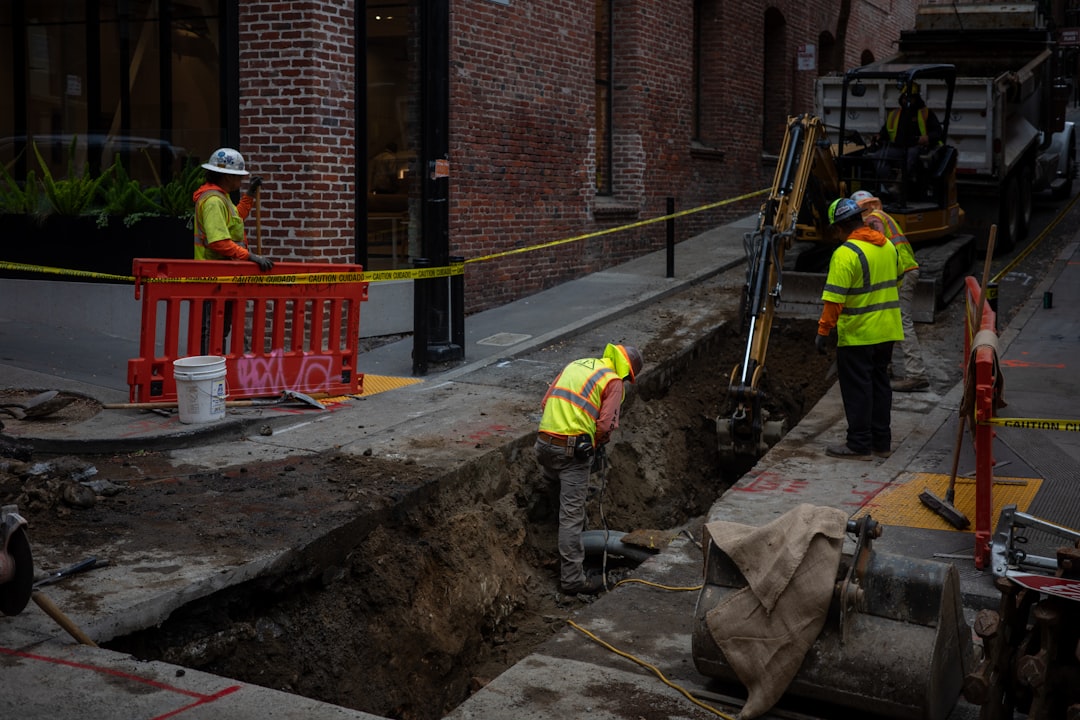
Few things are more stressful for a homeowner than finding out you have a sewer line problem. The signs can range from mildly annoying to genuinely alarming — and once you know something is wrong, the big question becomes: can this be repaired, or does the whole line need to be replaced?
The honest answer is that it depends on several factors: what kind of pipe you have, how old it is, where the damage is, and how extensive the problem has become. In this guide, we'll walk you through the warning signs, explain when a repair is enough and when full replacement is the smarter call, and cover exactly what the process involves so you can make an informed decision.
If you already know something is wrong and want answers specific to your home, our team at The Smell Good Plumbers offers sewer line assessments across Greater Victoria.
Signs You Have a Sewer Line Problem
Sewer line issues rarely start with a dramatic event. Most of the time, the early warning signs are subtle — easy to dismiss until the problem becomes serious. Here's what to watch for:
- Slow drains throughout the house — if it's not just one fixture but multiple drains running slow at the same time, the issue is likely in your main sewer line rather than an individual drain
- Sewage smell in your yard — a foul odour near the area where your sewer line runs is a strong indicator of a crack or break in the pipe
- Wet or soggy patches on the lawn — unexplained damp areas in your yard, especially along the path between your house and the street, can mean sewage is leaking from a damaged pipe
- Gurgling toilets — air trapped in a partially blocked sewer line will push back through the lowest fixtures in your home, causing toilets to gurgle when you run water elsewhere
- Sewage backup — the most obvious and urgent sign. If sewage is backing up into your basement, floor drains, or lowest-level fixtures, you have a serious blockage or failure in your main sewer line
If you notice any of these signs — especially more than one at a time — it's worth getting a professional assessment sooner rather than later. Sewer line issues don't improve on their own, and catching the problem early often means the difference between a targeted repair and a full replacement.
When Repair Is the Right Call
Not every sewer line problem requires a complete replacement. In many cases, a targeted repair is the most practical and cost-effective solution. Repair tends to make sense when:
Isolated damage in one section
If a camera inspection reveals one localized crack, joint separation, or break — and the rest of the pipe looks solid — it usually makes more sense to excavate and repair that one section rather than dig up the entire line.
Root intrusion in a single spot
Tree roots are one of the most common causes of sewer line problems in Victoria. If roots have pushed into the pipe at one joint or connection point but haven't spread through the rest of the line, we can often clear the roots and repair or replace just that section of pipe.
Newer pipe that's otherwise in good shape
If your sewer line was installed in the last 20 to 30 years using PVC or ABS pipe and the damage is limited to a single area — perhaps from construction activity or ground movement — a spot repair is often the right call. The rest of the pipe has decades of life left.
Pipe is structurally sound overall
A camera inspection will show the condition of the entire line. If the pipe walls are still solid, the grade is still correct, and there is no bellying or sagging, repairing the one problem area and leaving the rest in place is a reasonable approach.
When Full Replacement Makes More Sense
There are situations where repairing one section at a time is a losing strategy — where the pipe is deteriorated to the point that another failure is likely around the corner. Full replacement is usually the smarter investment when:
The pipe is old cast iron or clay
Many older homes in Victoria — particularly in Oak Bay, Fairfield, James Bay, and Fernwood — still have original cast iron or clay tile sewer lines. These materials were durable in their time, but after 60 to 100 years they have often corroded, cracked, or shifted. Repairing one section of a failing cast iron or clay line usually leads to another failure within a few years.
Multiple problem areas along the line
When the camera reveals cracks, root intrusion, or deterioration in several places, the pipe has reached the end of its useful life. Fixing one spot only to have another fail six months later ends up costing more in the long run than replacing the entire line once.
A section has collapsed or bellied
A collapsed pipe is a complete blockage that requires excavation regardless. A bellied line — where a section has sagged and created a low point where waste and water pool — will only get worse over time as soil continues to shift. In both cases, the structural integrity of the whole line is usually compromised.
Repeated failures and blockages
If you've had your sewer line cleared or repaired more than once in the past few years, the pipe itself is the problem. Repeat service calls add up quickly, and each one is a sign that the line is past the point of reliable repair. Replacing it once solves the problem permanently.
What a Sewer Line Assessment Involves
A sewer camera inspection is always the first step. Without seeing inside the pipe, any diagnosis is a guess — and guessing with sewer lines leads to unnecessary work or missed problems.
During a camera inspection, a licensed plumber feeds a high-resolution waterproof camera through your sewer line from a cleanout access point. The camera transmits live footage so you can see exactly what condition your pipe is in — cracks, root intrusion, bellying, corrosion, blockages, and joint separations all show up clearly on the screen.
Based on the footage, your plumber can tell you exactly what's going on and recommend whether a targeted repair or full replacement is the right path. You'll know what type of pipe you have, where the damage is, how extensive it is, and what the options are before any digging begins.
If you're experiencing any of the warning signs listed above, booking a sewer line assessment is the most practical first step. It takes the guesswork out of the equation and gives you a clear picture of your options.
How Long Does Sewer Line Repair or Replacement Take?
Timelines depend on the scope of the work, the depth of the pipe, and the conditions on site — but here's what to expect in most cases:
"In our years working across Greater Victoria — from older Oak Bay character homes to newer builds in Langford — Brook and the Smell Good Plumbers team have dealt with sewer line problems more times than we can count. We've seen camera inspections reveal pipes that looked fine from the outside but were completely deteriorated on the inside, and we've also seen homeowners assume the worst only to find out a simple repair was all they needed.
When we come out to your home, we'll always give you a straight answer on what's going on and what your options are — before we do anything. If a repair will hold, we'll tell you. If the line needs replacing, we'll explain exactly why and walk you through the process. No surprises."
Frequently Asked Questions
Book a Sewer Line Camera Inspection
The only way to know what's really going on with your sewer line is to look inside it. Our licensed plumbers will run a camera inspection, show you the footage, and give you a clear recommendation — no pressure, no surprises.
0% financing available through Financeit · Serving Victoria, Langford, Saanich, Oak Bay & all of Greater Victoria