

Victoria BC has one of the wettest winters in Canada. Months of heavy rain, ground saturation, and occasional freezing temperatures put real stress on your home's plumbing — from underground drain lines to outdoor taps and everything in between. By the time spring arrives, problems that were quietly developing all winter are ready to make themselves known.
The good news is that spring is the ideal window to catch these issues early. A quick walk-through of your home's plumbing systems can reveal small problems before they turn into water damage, emergency calls, or major repairs during the busy summer months.
Below is a practical checklist we put together based on the most common issues our team sees every spring across Greater Victoria. You can work through it yourself or request a spring assessment with our licensed plumbers.
Check Your Hot Water Tank
Your hot water tank works harder during the colder months, and spring is the right time to check how it held up. Start by looking at the age of the unit — most conventional tank water heaters have a reliable lifespan of 8 to 12 years. If yours is approaching or past that range, it is operating on borrowed time.
Check the base of the tank and the floor around it for any signs of moisture, rust-coloured staining, or active dripping. Even a small amount of water can indicate that the tank's inner lining has started to corrode and a failure is on the way.
The pressure relief valve — the small lever near the top of the tank with a copper discharge pipe running down the side — is a critical safety device. If it is dripping, crusted with mineral buildup, or has never been tested, it should be inspected by a licensed plumber. A malfunctioning relief valve can lead to dangerous pressure buildup inside the tank.
If you notice any of these signs, or if your tank is older than 10 years, a professional assessment can tell you exactly how much life is left. Our team provides hot water tank replacement across Greater Victoria.
Inspect Visible Pipes
Take a few minutes to look at the pipes you can see — under bathroom and kitchen sinks, in the mechanical room, in the laundry area, and in any unfinished basement or crawlspace sections. You are looking for three things: active drips, corrosion or green/white buildup on fittings, and discolouration or staining on the pipes or surrounding walls.
Corrosion on copper fittings often shows up as a green or blue-green crust. On galvanized or steel connections, it appears as rust-coloured flaking. Either one indicates that the fitting is deteriorating and may be heading toward a leak.
Slow drips under sinks are easy to miss because they happen behind closed cabinet doors. Open every cabinet that conceals a plumbing connection and run the tap for 30 seconds while you watch. A drip now is far cheaper to fix than the water damage and mould that result from months of an unnoticed leak.
Test Outdoor Taps
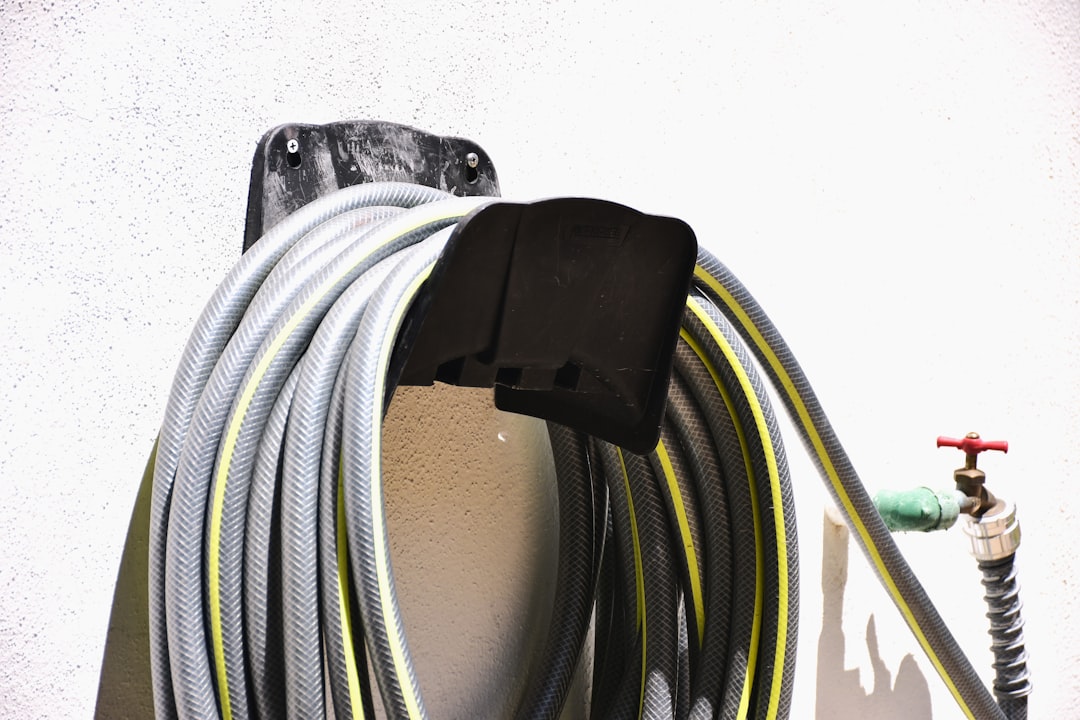
Outdoor hose bibs are one of the most common casualties of Victoria's occasional winter freezes. Even a brief cold snap can cause water trapped inside the pipe to expand and crack the fitting or the pipe itself — but you won't notice until you turn the tap on in spring.
Turn each outdoor tap on slowly and watch carefully. Check the tap itself for drips, but also go inside and inspect the wall behind the tap for any moisture or staining. A crack in the pipe behind the wall can leak into the wall cavity without any visible sign at the tap itself.
If you have frost-free hose bibs installed, they still need to be checked — they can fail if a hose was left connected over winter, which prevents the tap from draining properly and defeats the frost protection.
Check Your Perimeter Drain
Victoria's wet season puts enormous strain on perimeter drains — the underground drainage system that keeps water away from your foundation. If your perimeter drains are clogged, collapsed, or overwhelmed, spring is when you will start noticing the effects: dampness in the basement, musty smells, or visible moisture on foundation walls.
Walk the perimeter of your home and look for areas where water pools near the foundation instead of draining away. Check any basement or crawlspace areas for signs of new moisture, efflorescence (white mineral deposits on concrete), or standing water.
If you suspect your perimeter drains are not performing, a camera inspection can confirm the issue without any digging. Our team handles perimeter drain inspection and replacement throughout Greater Victoria.
Look at Your Sewer
Sewer line problems tend to develop gradually and then show up all at once. Tree roots grow more aggressively during the wet season, and they are drawn to sewer lines as a source of moisture and nutrients. Over the winter months, small root intrusions can grow into significant blockages.
The warning signs to watch for in spring: drains that are slower than they were in the fall, gurgling sounds from toilets or floor drains when water is running elsewhere in the house, and sewer smells that developed or worsened over the winter. Any of these can indicate a partial blockage or a cracked sewer line.
If you notice any of these symptoms, a professional drain cleaning or camera inspection can identify the problem before it becomes a full backup. In some cases, the sewer line itself may need repair or replacement.
Check Water Pressure
Low water pressure is more than an inconvenience — it can be a sign of a serious underlying issue. If your water pressure has dropped compared to the fall, or if it seems inconsistent between fixtures, there may be a problem developing with your water main, your pressure regulator, or the pipes inside your home.
A simple test is to turn on multiple fixtures at the same time — a shower, a kitchen tap, and a toilet flush — and note whether the pressure drops significantly. Some drop is normal, but a dramatic reduction can indicate undersized pipes, corroded galvanized lines, or a partially blocked water main.
Victoria homes with older galvanized water mains are especially susceptible to gradual pressure loss as mineral buildup narrows the inside of the pipe over the years. If your home was built before the 1970s and still has the original water main, a spring pressure check is well worth your time.
Review Your Hot Water
Beyond checking the tank itself, pay attention to how your hot water is performing. Is the temperature as consistent as it was last year? Does the tank seem to run out of hot water faster than it used to? Are you noticing lukewarm water when it should be hot, or temperature fluctuations during a shower?
These changes can signal sediment buildup inside the tank, a failing heating element, or a thermostat issue. Sediment is especially common in Victoria homes — minerals in the water settle at the bottom of the tank over time, insulating the water from the burner and reducing both efficiency and capacity.
If your hot water performance has changed noticeably, it is worth having a professional evaluate the tank before it fails completely. A planned hot water tank replacement is always less disruptive and less expensive than an emergency one.
"Every spring our phones light up with calls that could have been prevented with a quick check a few weeks earlier. A hot water tank that was showing rust at the base in March becomes a flooded mechanical room in June. A slow drain that was easy to clear in April becomes a full sewer backup during a summer barbecue.
We started offering spring plumbing assessments because the pattern was so clear — the homeowners who caught problems early saved thousands compared to the ones who waited until something broke. A spring walk-through takes less than an hour and gives you real peace of mind heading into summer."
Frequently Asked Questions
Request Appointment
Our licensed plumbers will walk through your home, check every system on this list, and let you know exactly where you stand — before small problems become big ones.
0% financing available through Financeit · Serving Victoria, Langford, Saanich, Oak Bay & all of Greater Victoria