

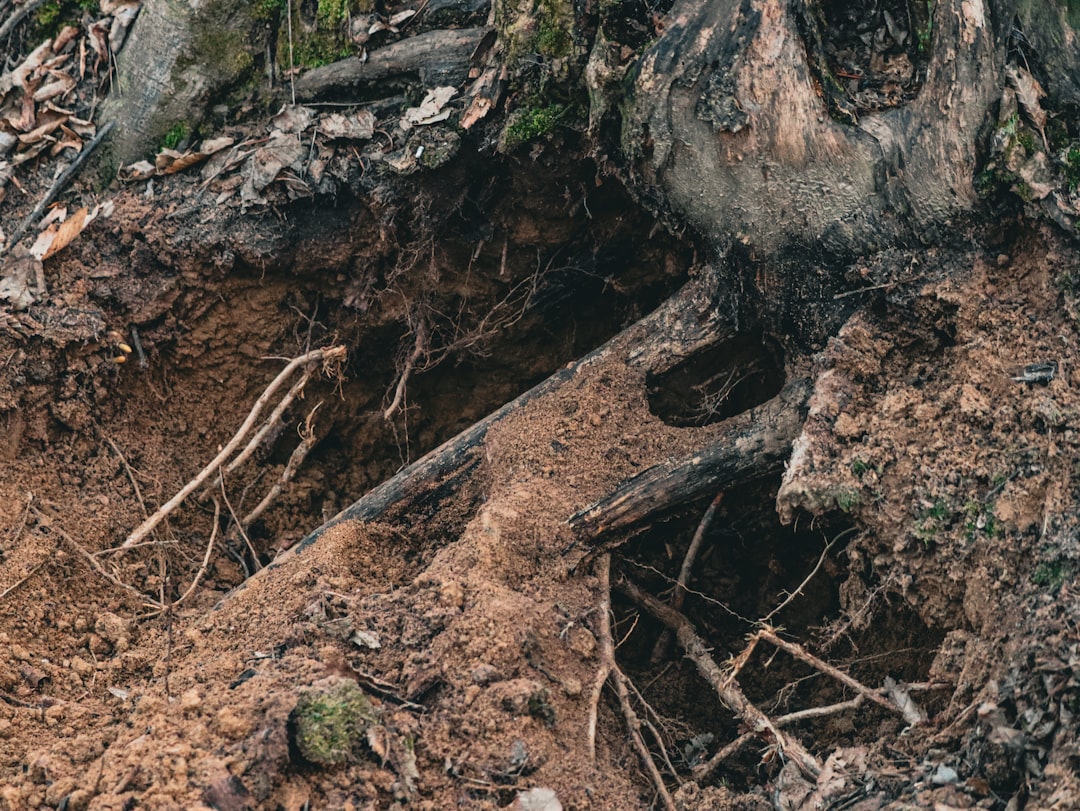
Victoria's mature trees — the towering Garry oaks, ornamental cherries, and old-growth maples that line neighbourhoods from Fairfield to James Bay — are a defining feature of the city. But beneath the surface, those same root systems are one of the most common causes of sewer line damage in Greater Victoria.
Tree roots are naturally drawn to the warmth and moisture inside sewer pipes. Once they find a way in, they grow rapidly — turning a minor crack into a full blockage, and eventually, a collapsed pipe. If you have mature trees on or near your property, understanding this risk is one of the best things you can do to protect your home.
In this guide we'll explain how roots get into sewer lines, what warning signs to watch for, and what your options are — from clearing to repair to full sewer line replacement.
How Roots Get Into Sewer Pipes
Tree roots don't punch through healthy pipe — they exploit existing weaknesses. Your sewer lateral (the pipe connecting your home to the city main) runs underground through your yard, and roots are constantly seeking out moisture and nutrients in the surrounding soil. When they encounter a sewer pipe, they'll find every opportunity to get inside.
The most common entry points are:
- Pipe joints — older clay and concrete pipe is installed in sections, and the joints between those sections loosen over time, creating gaps that fine root tendrils can enter
- Hairline cracks — ground settling, temperature changes, and age cause small cracks that leak moisture into the surrounding soil, drawing roots directly to the pipe
- Corroded or deteriorated sections — cast iron and orangeburg pipe degrade over decades, creating soft spots that roots penetrate easily
Once inside, roots thrive in the warm, nutrient-rich environment. They branch out rapidly, catching debris and creating blockages that worsen over time.
In Victoria, the tree species most notorious for sewer line intrusion include willow, poplar, silver maple, birch, and large ornamental cherry trees. These species have aggressive, water-seeking root systems that can travel many metres toward a moisture source. That said, almost any mature tree planted close enough to a sewer lateral can cause problems.
Signs of Root Intrusion in Your Sewer Line
Root intrusion rarely announces itself with a single dramatic event. Instead, you'll notice a pattern of recurring issues that gradually get worse. Watch for these warning signs:
- Slow drains throughout the home — not just one fixture, but multiple drains that seem sluggish, especially after heavy water use
- Gurgling sounds — air trapped by a partial blockage escapes through drain openings, causing gurgling from toilets, sinks, or floor drains
- Recurring blockages — a drain that keeps clogging after being cleared is one of the strongest indicators of root intrusion
- Sewage smell — a persistent sewer odour in the yard or inside the home suggests a compromised pipe
- Wet or unusually green patches in the yard — sewage leaking from a cracked pipe acts as a fertiliser, creating patches of grass that are noticeably greener or softer than the surrounding lawn
If you're experiencing any combination of these symptoms — especially if you have mature trees near your sewer line — it's worth getting a sewer camera inspection before the problem escalates.
How Bad Can It Get If Ignored?
Left unaddressed, root intrusion follows a predictable progression — and the further it goes, the more expensive it becomes to fix.
Stage 1 — Minor Intrusion
Fine root tendrils have entered through a joint or crack. Flow is partially reduced. Drains may be slightly slower than normal. At this stage, hydro jetting can clear the roots and restore full flow, and the pipe may not need repair.
Stage 2 — Moderate Blockage
Root mass has grown significantly, catching grease, paper, and debris. Recurring blockages are common. The pipe may still be structurally intact, but clearing alone will only provide temporary relief — repair or targeted replacement of the affected section is usually needed.
Stage 3 — Structural Damage and Collapse
Roots have expanded enough to crack, deform, or collapse the pipe. Sewage may be backing up into the home or leaking into the yard. At this point, full sewer line repair or replacement of the damaged section is the only reliable solution.
How Root Intrusion Is Diagnosed
The only reliable way to know what's happening inside your sewer line is a sewer camera inspection. A small waterproof camera is fed through the pipe, providing live video footage of the interior condition.
A camera inspection will show exactly where roots have entered, how severe the intrusion is, and whether the pipe itself is still structurally sound or has been damaged. It also reveals other issues — bellies, offsets, cracks, or deterioration — that may be contributing to the problem.
Without a camera inspection, any diagnosis is guesswork. We always recommend a camera inspection before recommending a course of action — it ensures you're only paying for the work that's actually needed.
Options for Dealing with Roots in Your Sewer Line
The right approach depends entirely on what the camera inspection reveals. Here are the most common options:
Not sure which option you need? A sewer camera inspection takes the guesswork out of it. Call us at (778) 265-6446 or book a camera inspection — we'll show you exactly what's going on and walk you through your options before any work begins.
Reducing Future Risk
Once roots have been cleared or the pipe has been repaired, there are several things you can do to reduce the chance of recurrence:
- Pipe material matters — modern PVC sewer pipe has fewer joints and tighter connections than old clay or concrete pipe, making it far more resistant to root intrusion
- Mind your tree placement — if you're planting new trees, keep aggressive species well away from your sewer lateral; consult with a local arborist about safe distances for specific species
- Know where your line runs — ask your plumber to mark the approximate path of your sewer lateral so you can plan landscaping accordingly
- Schedule regular camera inspections — for properties with mature trees near the sewer line, a camera inspection every 1–2 years is inexpensive insurance against a costly surprise
- Periodic hydro jetting — if your plumber has identified a section that is susceptible to root growth, scheduled hydro jetting can keep roots in check before they cause a blockage
Prevention is always less expensive than emergency repair. A proactive approach — especially in Victoria's older, tree-lined neighbourhoods — saves homeowners significant money and stress over the long run.
"One of the most eye-opening jobs we've done was a camera inspection for a homeowner in Oak Bay who'd been dealing with slow drains for over a year. When we sent the camera down, we found roots had completely filled a 10-metre section of clay pipe — the entire interior was a solid mass of fine root tendrils. There was barely any flow getting through at all.
The homeowner had no idea it was that bad. Without the camera, they'd have kept trying drain cleaners and wondering why nothing worked. We cleared the line with hydro jetting, replaced the damaged section, and now they're on a regular inspection schedule. That's the approach we always recommend — find out what's really going on, fix it properly, and stay ahead of it."
Frequently Asked Questions
Book a Sewer Camera Inspection
Find out exactly what's going on inside your sewer line. Our licensed plumbers serve all of Greater Victoria — we'll show you the footage, explain what we find, and walk you through your options.
0% financing available through Financeit · Serving Victoria, Langford, Saanich, Oak Bay & all of Greater Victoria