

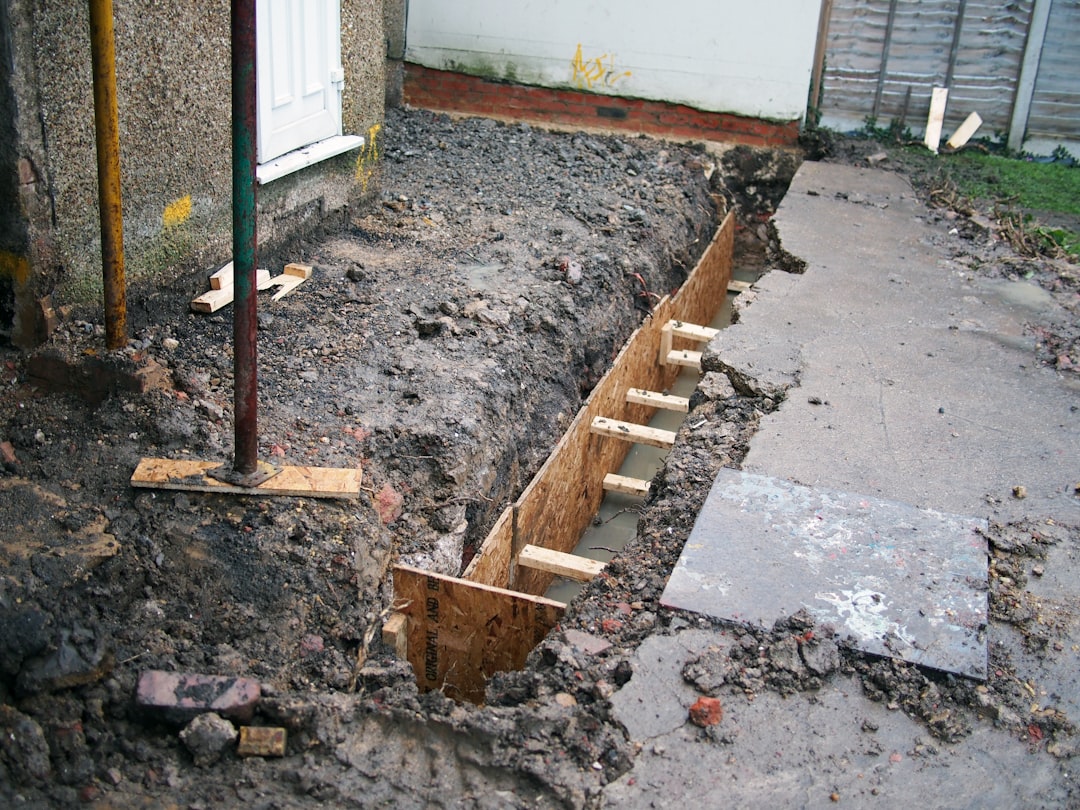
Of all the systems keeping a Victoria home dry and structurally sound, the perimeter drain is arguably the most important — and the most overlooked. Most homeowners have never seen theirs, don't know where it is, and have no idea whether it's working until the day water shows up where it shouldn't.
In a region that receives as much rainfall as Greater Victoria, a properly functioning perimeter drain is the difference between a dry basement and a serious moisture problem. If your home was built more than 25 years ago, there's a good chance the original system is nearing the end of its service life — or has already failed.
In this guide we'll explain exactly what a perimeter drain is, how it works, why Victoria homes are particularly vulnerable when they fail, and how to tell if yours needs attention. If you'd rather talk to someone directly, our team at The Smell Good Plumbers offers perimeter drain assessments across Greater Victoria.
What a Perimeter Drain Is
A perimeter drain — sometimes called a French drain, weeping tile, or foundation drain — is a buried drainage system that runs around the exterior base of your home's foundation. Its job is simple but critical: collect groundwater before it reaches your foundation walls and redirect it safely away from the building.
The system typically consists of a perforated pipe laid in a bed of gravel at the base of the foundation footing. As water in the surrounding soil reaches the pipe, it enters through the perforations and flows by gravity to a discharge point — either the municipal storm drain, a sump pit, or a lower area of the property.
Without this system, water would pool against your foundation walls and eventually find its way inside through cracks, joints, and porous concrete. In the worst cases, sustained water pressure against the foundation can cause structural damage over time.
How Perimeter Drains Work
The mechanics of a perimeter drain are straightforward. A perforated pipe — modern systems use corrugated or rigid PVC — is installed in a trench around the foundation, sitting at or just below the level of the footing. The pipe is surrounded by clean, washed gravel that acts as a filter, allowing water to flow freely toward the pipe while keeping soil and sediment out.
A filter fabric typically wraps the gravel bed to provide an additional barrier against fine soil particles. The pipe is laid on a slight slope — gravity does the rest, carrying water along the pipe and away from the foundation to a designated outlet.
When the system is working correctly, groundwater never has the chance to build up against the foundation. It is intercepted and removed continuously, keeping the soil around your basement walls relatively dry even during heavy rain. The system works passively and silently — no pumps, no moving parts, no maintenance alerts. Which is precisely why most homeowners forget it exists.
Why Perimeter Drains Matter in Victoria
Victoria and the surrounding municipalities receive significant rainfall, particularly from October through April. That prolonged wet season means the soil around your foundation is saturated for months at a time — and that water needs somewhere to go.
Many areas across Greater Victoria also have clay-heavy soil. Clay retains moisture rather than allowing it to drain freely, which increases hydrostatic pressure against foundation walls. Homes in Saanich, Oak Bay, Colwood, and parts of Victoria proper are especially prone to this issue.
On top of that, a large portion of Victoria's housing stock was built between the 1950s and 1980s — which means many perimeter drains in the region are 40 to 70 years old. The original clay tile and concrete systems installed during that era were never designed to last this long, and many are now partially or fully compromised.
How Long Perimeter Drains Last and Why They Fail
A modern perimeter drain installed with rigid PVC pipe, proper gravel, and filter fabric can last 40 years or more with minimal maintenance. But the older systems found in most Victoria homes were built with materials that don't hold up nearly as well.
Clay tile — the most common material in mid-century homes — is laid in short sections with open joints rather than sealed connections. Over decades, soil shifts, roots find their way in, and individual tiles crack, separate, or collapse entirely. Concrete pipe fares somewhat better but is still vulnerable to root intrusion and joint failure.
- Root intrusion — tree and shrub roots are drawn to the moisture around perimeter drains and will infiltrate open joints and cracks, eventually blocking flow
- Siltation — fine soil and sediment gradually accumulate inside the pipe over decades, reducing capacity until flow is choked off entirely
- Pipe collapse — clay tile and older concrete pipe lose structural integrity over time, causing sections to cave in and block the line
- Gravel bed failure — the gravel surrounding the pipe becomes clogged with soil fines when filter fabric is absent or has deteriorated, eliminating the drainage pathway
The trouble with all of these failure modes is that they happen underground and out of sight. A perimeter drain can be partially failed for years before any visible symptoms appear inside the home.
Signs Your Perimeter Drain May Be Failing
Because the system is buried, you won't see the problem directly. Instead, watch for secondary signs that water is no longer being managed properly around your foundation:
- Moisture or dampness on basement walls — particularly after rainfall or during the wet season
- Musty or earthy smell in the basement — a sign of ongoing moisture and early mould growth
- White chalky deposits on concrete walls — called efflorescence, this indicates water is migrating through the foundation and leaving mineral salts behind
- Standing water or puddles near the foundation — water pooling against the exterior walls rather than draining away
- Soggy or perpetually wet areas in the yard near the foundation — the soil is saturated because the drain is no longer carrying water away
- Visible cracks in basement walls or floor — sustained water pressure can contribute to structural cracking over time
If you notice any of these signs — particularly during or shortly after a stretch of heavy rain — it's worth having the perimeter drain inspected with a camera before the problem gets worse. A failed drain left unaddressed will only cause more damage with each passing wet season.
Cleaning vs Replacement — When Each Is Appropriate
Not every perimeter drain problem requires a full replacement. In some cases, professional flushing and cleaning can restore flow and buy additional years of service. Knowing which approach is right depends entirely on the condition of the pipe.
When cleaning is enough
If the pipe is structurally intact but has accumulated silt, minor root growth, or debris, a high-pressure flush can clear the blockage and restore drainage. This is a viable option when camera inspection shows the pipe walls are sound and joints are still aligned. Periodic cleaning can extend the life of a system that is aging but not yet failed.
When replacement is necessary
If the camera reveals collapsed sections, severely displaced joints, heavy root infiltration that has broken the pipe, or a gravel bed that has failed entirely, cleaning will not solve the problem. In these cases, the only reliable fix is excavating around the foundation and installing a new perimeter drain system with modern materials. Replacement is also the right call when clay tile has reached the end of its service life and is showing failure at multiple points.
A camera inspection is always the first step. It removes the guesswork and gives you a clear picture of what you're dealing with — which means you can make a confident decision about whether to clean or replace. Our team can run a camera through your system and walk you through the findings on site. Call us at (778) 265-6446.
"We had a homeowner in Saanich who'd been dealing with water intrusion in their basement every winter for years. They'd tried waterproof paint, a dehumidifier, even had someone seal the interior cracks — none of it solved the underlying problem. When we ran a camera through the perimeter drain, we found a fully collapsed section on the downhill side of the house where the water pressure was highest.
The original clay tile had been in the ground for over fifty years. Once we replaced the system with modern pipe and proper gravel, the basement stayed dry through the entire next wet season — the first dry winter they'd had in that house. That's the thing about perimeter drains: when they work, you never think about them. When they don't, everything else you try is just treating the symptom."
Frequently Asked Questions
Book a Perimeter Drain Assessment
Our licensed plumbers serve all of Greater Victoria. We'll camera-inspect your perimeter drain, explain what we find, and give you clear options — no pressure, no guesswork.
0% financing available through Financeit · Serving Victoria, Langford, Saanich, Oak Bay & all of Greater Victoria